A modern Packing Machine is made up of many interconnected parts that work together in a synchronized system. Each component of a Packing Machine has a specific role, from moving products to sealing packages.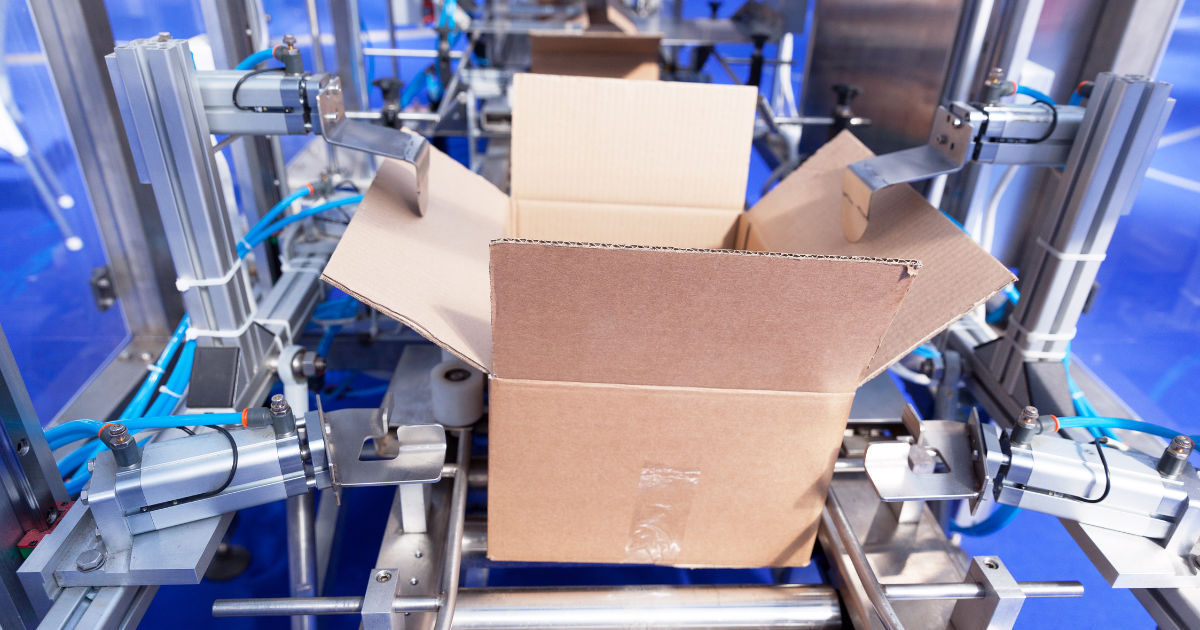
The efficiency of a Packing Machine depends on how well its components are designed and maintained. If even one part of a Packing Machine fails, the entire production line can slow down or stop.
In industries, a Packing Machine is valued because it increases speed, reduces human labor, and ensures consistent quality. To understand its importance, we must first explore its main components in detail.
Frame and Structural Body of Packing Machine
The frame is the backbone of a Packing Machine. It holds all other components together and provides stability during operation.
A strong metal frame ensures that the Packing Machine does not vibrate excessively during high-speed operation. Most frames are made of stainless steel or aluminum to resist corrosion and wear.
In a Packing Machine, the frame also supports motors, conveyors, sensors, and sealing units. Without a strong structure, the Packing Machine cannot maintain accuracy.
The design of the frame in a Packing Machine is important for durability. Industrial environments often involve heat, dust, and moisture, so the frame must protect internal components.
A well-built frame ensures that the Packing Machine runs smoothly for long hours without breakdown.
Conveyor System in Packing Machine
The conveyor system is responsible for moving products from one station to another inside the Packing Machine.
In a Packing Machine, conveyors ensure continuous flow of items such as bottles, packets, boxes, or raw materials. This reduces manual handling and increases production speed.
There are different types of conveyors used in a Packing Machine, such as belt conveyors, roller conveyors, and chain conveyors.
The conveyor speed in a Packing Machine is adjustable depending on the product type. For example, fragile items require slower movement, while durable items can move faster.
A Packing Machine relies heavily on the conveyor system for smooth synchronization between filling, sealing, and labeling processes.
Without a proper conveyor system, the Packing Machine cannot maintain efficiency or accuracy in packaging.
Filling System in Packing Machine
The filling system is one of the most critical parts of a Packing Machine. It is responsible for measuring and placing the correct amount of product into containers or packets.
In a Packing Machine, filling systems can be volumetric, gravimetric, or piston-based depending on the type of product.
Liquid products like juice or milk require special filling units in a Packing Machine, while powders like flour use auger fillers.
Accuracy is very important in the filling section of a Packing Machine. Even a small error can lead to product wastage or customer dissatisfaction.
Modern Packing Machine systems use sensors and automated controls to ensure precise filling every time.
A well-designed filling system makes the Packing Machine reliable and efficient in large-scale production.
Sealing Mechanism in Packing Machine
The sealing mechanism is what protects the product after it has been filled by the Packing Machine.
In a Packing Machine, sealing can be done using heat sealing, ultrasonic sealing, or adhesive sealing methods.
Heat sealing is the most common method used in a Packing Machine, especially for plastic packaging materials.
The sealing unit ensures that products remain fresh, safe, and contamination-free after packaging in a Packing Machine.
Temperature control is very important in the sealing part of a Packing Machine. If the temperature is too high, it can damage the packaging material. If it is too low, the seal may not be strong.
A good sealing system ensures that the Packing Machine produces high-quality, leak-proof packages.
Control Panel and Automation System
The control panel is the brain of a Packing Machine. It allows operators to control speed, temperature, filling volume, and other settings.
A modern Packing Machine uses PLC (Programmable Logic Controller) systems for automation. This helps in reducing human errors.
Through the control panel, operators can monitor the performance of the Packing Machine in real time.
Touchscreen interfaces are now common in advanced Packing Machine systems, making them easier to operate.
Automation ensures that the Packing Machine runs with minimal manual intervention, increasing efficiency and safety.
Without a control system, a Packing Machine would not be able to function properly in modern industries.
Sensors and Detection Systems in Packing Machine
Sensors play a vital role in ensuring accuracy and safety in a Packing Machine.
In a Packing Machine, sensors detect product position, filling levels, and packaging alignment.
Photoelectric sensors are commonly used in a Packing Machine to detect objects moving on the conveyor.
If a product is missing or misaligned, the Packing Machine automatically stops or corrects the issue.
Sensors also help in maintaining quality control inside a Packing Machine by detecting defects in packaging.
The integration of sensors makes the Packing Machine more intelligent and reliable.
Motor and Drive System
The motor is the power source of a Packing Machine. It drives the conveyor belts, filling units, and sealing systems.
A Packing Machine usually uses electric motors with variable speed control.
The drive system ensures smooth movement of all mechanical parts in a Packing Machine.
High-quality motors increase the lifespan and efficiency of a Packing Machine.
Without a strong motor system, the Packing Machine cannot operate continuously in industrial environments.
Energy efficiency is also important, so modern Packing Machine designs use low-power motors to reduce electricity consumption.
Pneumatic and Hydraulic Systems
Many advanced models of a Packing Machine use pneumatic or hydraulic systems for movement and pressure control.
In a Packing Machine, pneumatic systems use compressed air to operate filling and sealing mechanisms.
Hydraulic systems are used in heavy-duty Packing Machine applications where strong force is required.
These systems improve precision and speed in a Packing Machine.
Pneumatic components are especially useful in food-grade Packing Machine designs because they are clean and safe.
Proper maintenance of these systems ensures long-term performance of a Packing Machine.
Weighing System in Packing Machine
The weighing system ensures that each package produced by a Packing Machine has the correct weight.
In a Packing Machine, load cells and digital sensors are used for accurate weight measurement.
This system prevents overfilling or underfilling in a Packing Machine.
Industries rely on this accuracy to maintain product consistency and reduce waste.
A modern Packing Machine automatically adjusts filling based on weight feedback.
This makes the Packing Machine highly efficient and cost-effective.
Safety Systems in Packing Machine
Safety is a major concern in any industrial Packing Machine.
Emergency stop buttons are installed in every Packing Machine to immediately halt operations.
Safety guards protect workers from moving parts of the Packing Machine.
Overload protection systems prevent damage to the Packing Machine during high pressure or electrical faults.
Modern Packing Machine systems also include alarm indicators for malfunction detection.
These safety features ensure that the Packing Machine operates securely in industrial environments.
Maintenance Components of Packing Machine
Regular maintenance is essential for the long life of a Packing Machine.
Lubrication systems help reduce friction between moving parts in a Packing Machine.
Cleaning systems ensure that no residue builds up inside the Packing Machine.
Replacement parts like belts, seals, and sensors must be checked regularly in a Packing Machine.
Proper maintenance improves efficiency and prevents breakdowns in a Packing Machine.
Industries follow strict maintenance schedules to keep the Packing Machine in good condition.
Importance of Packing Machine Components in Industry
Every component of a Packing Machine plays a vital role in industrial production.
From the frame to the control system, each part of a Packing Machine ensures smooth and efficient operation.
Without these components working together, a Packing Machine cannot deliver high-speed and accurate packaging.
Industries depend on the Packing Machine to maintain product quality and meet market demand.
Understanding these components helps engineers improve future designs of the Packing Machine.
Conclusion
In conclusion, a Packing Machine is a highly advanced system made up of many essential components working together. From the structural frame to sensors, motors, and sealing units, every part of a Packing Machine has a specific and important role.
A Packing Machine improves industrial productivity, reduces human effort, and ensures consistent product quality. Its components are designed to work in harmony for maximum efficiency and safety.
Modern industries cannot function effectively without a Packing Machine, as it is central to mass production and packaging automation. By understanding its components, we gain a better appreciation of how technology improves everyday manufacturing processes.
Overall, the Packing Machine is a perfect example of engineering innovation that combines mechanics, electronics, and automation into one powerful system.