

When parents start using portable baby gear, one of the most common questions is about battery performance. A baby seat cooler is designed to keep milk, snacks, or temperature-sensitive baby items fresh while on the go.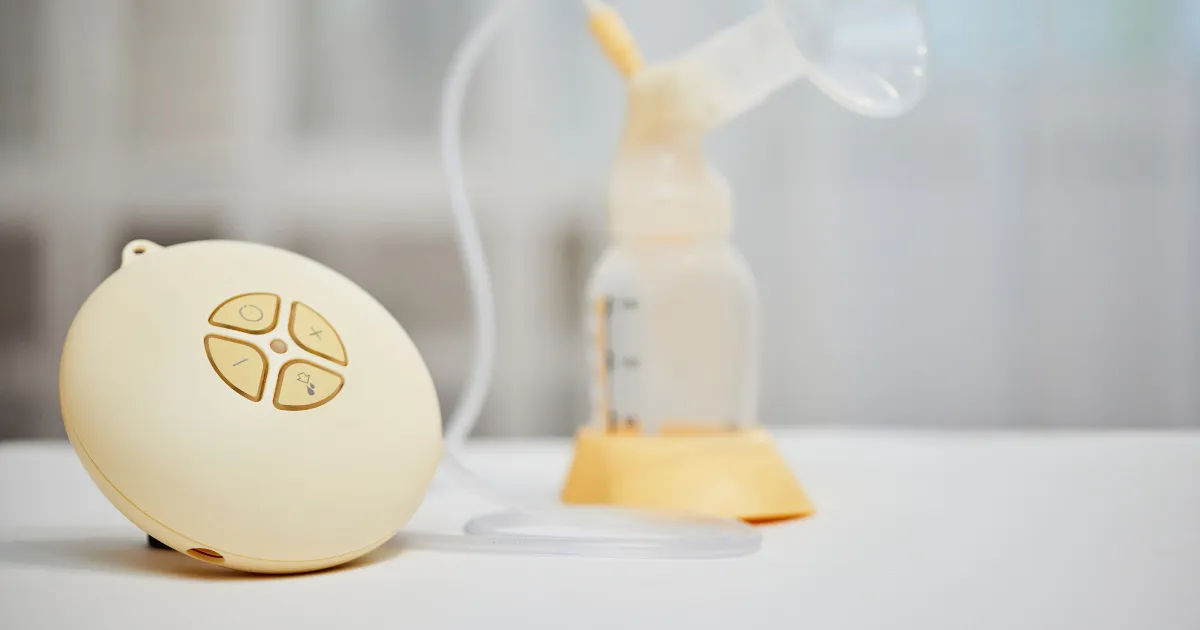
Understanding how long its battery lasts helps parents plan trips, avoid interruptions, and ensure safety for their child’s essentials. In the same way that devices like the Spectra S9 Plus Breast Pump require reliable portable power during busy schedules, a baby seat cooler also depends heavily on efficient battery usage to perform consistently throughout the day.
Battery life is not a fixed number. It changes based on settings, usage habits, environment, and product design. This guide explains everything in detail, from average runtime to factors that affect performance and tips to extend battery life.
Understanding a Baby Seat Cooler and Its Power System
A baby seat cooler is a compact, portable cooling system often built into or attached to a baby seat organizer or carrier. Its purpose is to maintain a stable temperature for baby milk bottles, breast milk storage bags, or snacks.
Most modern models use rechargeable lithium-ion batteries, similar to portable medical or baby care devices like the Spectra S9 Plus Breast Pump, which also relies on compact battery technology for mobility and convenience.
Key components of the system include:
- Cooling fan or thermoelectric plate
- Rechargeable battery pack
- Temperature control unit
- Insulated storage compartment
- Charging port (USB-C or DC adapter)
The efficiency of these components directly impacts how long the battery will last.
Average Baby Seat Cooler Battery Life
On average, a fully charged baby seat cooler battery lasts between:
- 4 to 12 hours depending on usage mode
- Up to 18 hours in eco or low-power settings
- 3 to 5 hours in high-performance cooling mode
This range can vary widely depending on conditions. Just like the Spectra S9 Plus Breast Pump, which offers different runtime depending on suction level and usage frequency, baby seat coolers also adjust power consumption based on demand.
Factors That Affect Battery Life
Battery performance is influenced by several real-world conditions. Understanding these helps parents manage expectations and improve efficiency.
1. Cooling Mode Settings
Most baby seat coolers offer multiple modes:
- High cooling mode → Fast temperature drop but drains battery quickly
- Medium mode → Balanced performance
- Eco mode → Energy-saving with longer runtime
Higher settings reduce battery life significantly.
2. External Temperature
Hot weather forces the cooler to work harder.
- In summer or outdoor use, battery drains faster
- In moderate indoor environments, battery lasts longer
For example, leaving the cooler inside a parked car under sunlight can reduce battery life by up to 40%.
3. Load Inside the Cooler
The number of items stored affects performance:
- Full load → More energy required
- Light load → Less cooling effort
Cold items placed inside initially also help reduce battery strain.
4. Battery Capacity
Battery size is measured in mAh (milliamp hours):
- 5,000–7,000 mAh → Basic models (shorter runtime)
- 8,000–12,000 mAh → Standard models
- 12,000+ mAh → Extended runtime models
Higher capacity generally means longer operation time, just like high-capacity portable systems used in devices such as the Spectra S9 Plus Breast Pump.
5. Age of the Battery
Over time, all rechargeable batteries degrade.
- New battery → Full runtime
- After 1–2 years → 10–25% reduced efficiency
- After 3+ years → Noticeable drop in performance
Proper charging habits can slow down this degradation.
6. Frequency of Opening the Cooler
Every time the lid is opened:
- Cold air escapes
- Warm air enters
- Battery works harder to restore temperature
Frequent access reduces total runtime.
How Battery Technology Works in Baby Seat Coolers
Most baby seat coolers use lithium-ion or lithium-polymer batteries. These are preferred because they:
- Charge quickly
- Hold energy efficiently
- Are lightweight
- Provide stable output
The cooling system typically uses thermoelectric cooling (Peltier technology), which creates a temperature difference using electricity.
This is similar in concept to how portable baby devices like the Spectra S9 Plus Breast Pump prioritize compact energy systems for portability and steady performance.
Charging Time and Efficiency
Charging time varies depending on battery size:
- Small batteries → 2 to 3 hours
- Medium batteries → 3 to 5 hours
- Large batteries → 5 to 7 hours
Fast charging support is becoming more common, allowing parents to quickly recharge between outings.
Charging tips:
- Avoid overcharging overnight
- Use manufacturer-approved chargers
- Charge in moderate temperature environments
- Do not fully drain battery regularly
These practices help maintain long-term performance.
Real-Life Usage Scenarios
To better understand battery life, let’s look at practical situations.
Short Outings (1–3 hours)
Examples:
- Grocery shopping
- Pediatric visits
- Short walks
Battery usage: Minimal
Result: One full charge lasts multiple trips
Even low-capacity coolers perform well here, similar to how a fully charged Spectra S9 Plus Breast Pump can handle multiple short pumping sessions.
Medium Trips (4–8 hours)
Examples:
- Family visits
- Day trips
- Travel within city
Battery usage: Moderate
Result: Medium to high battery consumption depending on mode
Eco mode is recommended here.
Long Travel (8–12+ hours)
Examples:
- Road trips
- Air travel
- Full-day outings
Battery usage: High
Result: Requires high-capacity battery or recharge option
Parents often carry backup power banks for longer reliability.
How to Extend Baby Seat Cooler Battery Life
Maximizing battery life is essential for convenience and safety.
1. Pre-Cool Before Use
Turn on the cooler at home before loading items. This reduces the initial energy spike.
2. Use Eco Mode When Possible
Eco mode can extend runtime by up to 40%.
3. Avoid Direct Sunlight
Heat increases energy consumption dramatically.
4. Minimize Opening Frequency
Plan ahead to reduce unnecessary lid openings.
5. Keep Battery Clean and Maintained
- Clean charging ports
- Avoid moisture exposure
- Store in dry conditions
6. Use Insulated Bottles
Insulated containers reduce workload on the cooling system.
Comparison with Other Portable Baby Devices
Battery performance expectations for baby seat coolers are similar to other portable baby care products.
For example, the Spectra S9 Plus Breast Pump is designed for mobility and relies on battery efficiency for multiple pumping sessions throughout the day.
Both devices share similar design goals:
- Portability
- Energy efficiency
- Compact design
- Reliable runtime during travel
However, a cooler typically consumes energy continuously, while a breast pump operates intermittently, which changes how battery life is experienced.
Signs Your Battery Needs Replacement
Over time, you may notice:
- Reduced cooling time
- Longer charging time
- Device shutting off unexpectedly
- Battery draining faster than usual
When these signs appear consistently, replacing the battery or device may be necessary.
Safety Considerations for Battery Use
Battery safety is extremely important in baby-related devices.
Important safety tips:
- Do not use damaged batteries
- Avoid exposure to extreme heat
- Do not use third-party batteries
- Keep away from water or moisture
- Unplug after full charge
Lithium batteries are safe when used correctly but require careful handling.
Environmental Impact and Battery Disposal
Old batteries should not be thrown in regular trash. They contain chemicals that can harm the environment.
Proper disposal methods include:
- Recycling centers
- Electronic waste collection points
- Manufacturer take-back programs
Responsible disposal ensures environmental safety and sustainability.
Future Improvements in Battery Technology
Battery technology is rapidly improving. Future baby seat coolers may include:
- Longer-lasting solid-state batteries
- Solar-assisted charging
- Faster charging cycles
- Smart power management systems
These advancements will make portable baby care even more convenient, similar to improvements seen in devices like the Spectra S9 Plus Breast Pump over time.
Conclusion
The battery life of a baby seat cooler typically ranges from 4 to 12 hours depending on usage, capacity, and environmental conditions. With proper care, eco-mode usage, and smart handling, parents can extend performance significantly and ensure reliable cooling throughout the day.
Understanding how battery settings, temperature, and usage habits affect performance helps parents make informed decisions and avoid unexpected interruptions. Just like portable parenting tools such as the Spectra S9 Plus Breast Pump, efficiency and planning play a key role in ensuring smooth daily routines.
By following best practices for charging, maintenance, and usage, a baby seat cooler can become a dependable companion for travel, errands, and long outings with your baby.