
Morocco cycling holidays are multi-day bike journeys that combine riding through the country’s diverse landscapes with immersive cultural experiences in its towns, villages, and deserts. Within a single week, you can pedal from cedar forests to high passes, then descend to palm-filled oases and the Atlantic coast, making Morocco one of North Africa’s most rewarding destinations for bicycle travel.
According to the World Tourism Organization, adventure tourism is one of the fastest-growing niches globally, and Morocco has invested heavily in roads and rural tourism infrastructure to match that trend. From a developer’s perspective, the country almost feels like a carefully designed open-world map: distinct “biomes,” good connectivity between them, and countless side quests in the form of markets, kasbahs, and mountain tracks.
Why Choose Morocco for a Cycling Holiday?
Morocco offers a rare combination that road cyclists, gravel riders, and bikepackers all appreciate:
- Varied scenery in compact distances – You can ride from snow-dusted Atlas passes to sun-baked valleys in a single day.
- Generally rideable climate – With smart timing, you can cycle year-round by shifting altitude and region.
- Rich culture and hospitality – Tea stops, guesthouses, and family-run riads turn each day into a cultural exchange, not just a workout.
In one sentence, Morocco cycling holidays are organized or self-planned bike trips that use the country’s paved and unpaved networks to connect its mountain, desert, and coastal regions while engaging with local Berber, Arab, and Saharan cultures.
Key Cycling Regions in Morocco
High Atlas: Climbs, Passes, and Berber Villages
For many riders, the High Atlas Mountains are the highlight of Morocco cycling holidays. Expect:
- Long climbs and sweeping descents: Classic passes such as Tizi n’Tichka reach over 2,200 m, offering substantial elevation gain and thrilling switchbacks.
- Traditional Amazigh (Berber) settlements: Terraced fields, mud-brick villages, and weekly souks punctuate the valleys.
- Mixed surfaces: Well-surfaced national roads combined with rougher side roads and gravel tracks.
This region suits experienced road cyclists, gravel riders, and mountain bikers looking for a physical challenge rewarded by big views and remote valleys.
Anti-Atlas and Southern Oases: Quiet Roads and Ancient Routes
South of the High Atlas, the Anti-Atlas provides more gentle gradients and a feeling of remoteness:
- Lower, warmer mountains with rolling profiles.
- Date-palm oases and dry riverbeds (oueds) tracing older caravan paths.
- Historic kasbahs and fortified granaries perched on hilltops.
The quieter roads here are popular for bicycle touring and introductory bikepacking routes, especially in late autumn and early spring when temperatures are comfortable.
Sahara Fringe: Desert Gravel and Dune Sunsets
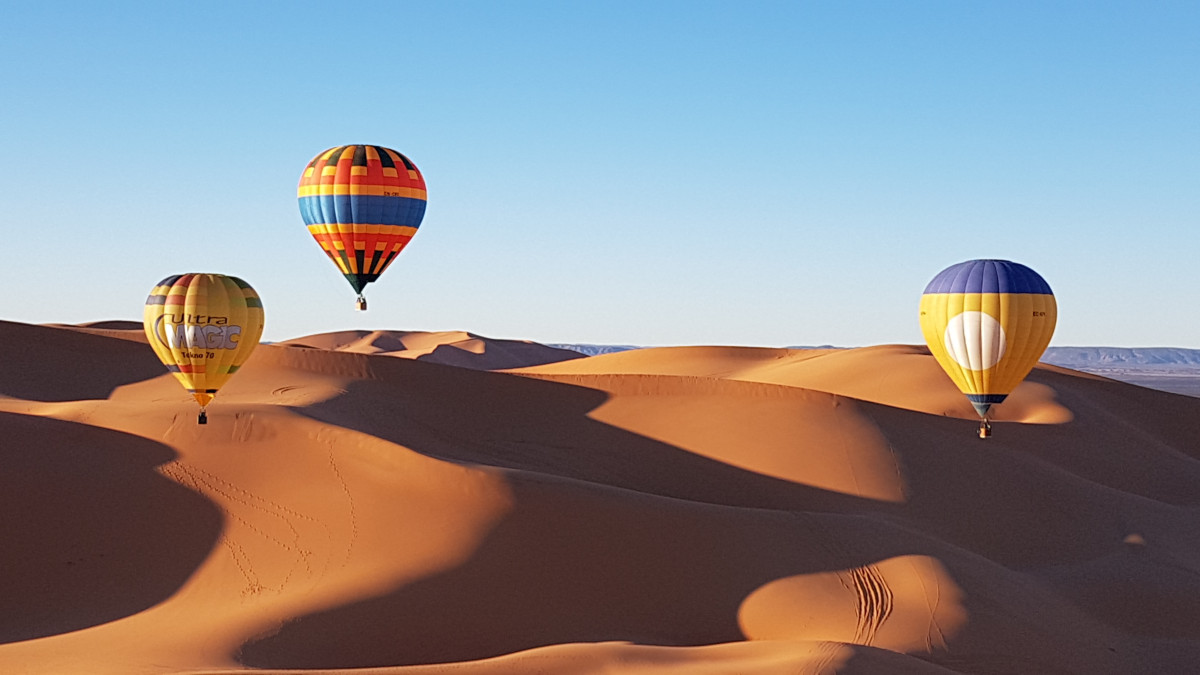
You cannot ride deep into the Sahara dunes on a standard touring bike, but the Sahara fringe around Merzouga or M’Hamid is ideal for:
- Sunrise or sunset rides on hard-packed desert tracks.
- Rest days by the dunes between longer road stages.
- Photography-focused cycling: dramatic light, long horizons, and star-filled night skies.
Multi-day itineraries often combine mountain riding with one or two days near the dunes for a complete Moroccan “mountains to desert” experience.
Atlantic Coast: Ocean Breezes and Fishing Ports
The Atlantic coast offers a more relaxed style of cycling holiday:
- Rolling coastal roads between towns like Essaouira, Agadir, and small fishing villages.
- Cooler temperatures moderated by the ocean, even when the interior is hot.
- Surf-town atmosphere: cafés, seafood grills, and laid-back beach life.
This is a good choice for mixed-ability groups, family touring, or riders who prefer shorter daily distances and rest days by the sea.
Guided Tours vs. Independent Cycling
Guided Cycling Holidays
Organized Morocco cycling holidays typically provide:
- Professional guides familiar with local roads and customs.
- Support vehicles for luggage and tired riders.
- Pre-booked accommodation and many meals.
- Route planning optimized for daily distances, weather, and highlights.
Many riders value that Morocco cycling holidays arranged by specialist operators often balance challenging riding with cultural visits, such as medina walks, cooking classes, and night stays in traditional guesthouses.
Independent Touring and Bikepacking
More self-reliant cyclists may prefer to design their own routes:
- Freedom of pace and detours: linger in a village, shorten or extend a stage.
- Budget flexibility: from simple hostels to upscale riads.
- Custom terrain choice: pure road, mixed gravel, or adventurous singletrack.
For independent trips, strong route research is crucial. Detailed offline maps, satellite views, and elevation profiles help you avoid over-ambitious days or unexpectedly rough tracks.
When to Go: Seasons and Climate
Morocco’s climate varies sharply with altitude and region, so timing your trip is key.
- Spring (March–May): Perhaps the best all-round season. Snow still caps the high peaks, but passes begin to open, valleys turn green, and coastal weather is mild.
- Autumn (October–November): Another excellent window, especially for the Anti-Atlas and desert edge, with warm days and cool nights.
- Winter (December–February): Good for low-altitude and coastal rides. High Atlas passes can be snowy or icy, and daylight hours are shorter.
- Summer (June–September): Hot in the interior and desert; however, high-altitude areas and the Atlantic coast can remain pleasant, especially if you ride early and rest during midday heat.
A flexible itinerary that can adjust daily stages for wind and temperature will make your cycling holiday far more enjoyable.
Terrain, Road Conditions, and Bike Choice
Road Quality and Traffic
Morocco has an extensive paved network, and major tourist routes are generally in good condition. Expect:
- National roads (N-roads): Usually well-paved but may have faster traffic.
- Regional and provincial roads: Quieter, sometimes patched or rough in places, but excellent for scenic cycling.
- Gravel and piste: Vary from smooth dirt to rocky and washboarded; choose carefully based on your bike and skills.
Traffic etiquette is generally tolerant of cyclists, but defensive riding and good visibility (bright clothing, lights) remain important.
Choosing the Right Bike
The ideal bike depends on your planned terrain:
- Endurance road bike: Best for predominantly paved routes with long climbs and descents.
- Gravel bike: Arguably the most versatile choice, handling pavement, rough backroads, and many pistes.
- Hardtail mountain bike: Suitable for off-road-heavy trips and technical tracks.
Fit wider tires (32–40 mm for road/gravel), lower gearing for extended climbs, and strong brakes for long descents. Tubeless setups help reduce punctures from thorns and debris.
Cultural Highlights Along the Way
Cycling in Morocco is as much about encounters as it is about elevation gain:
- Medinas and souks: Historic city centers like those in Marrakech or Fes offer sensory overload—ideal for a rest day before or after your ride.
- Village hospitality: Invitations for tea, roadside fruit stands, and small cafés transform snack breaks into cultural moments.
- Religious and historic sites: Mosque courtyards (respectfully observed from the outside if you are not Muslim), ancient kasbahs, and caravanserais dot many cycling routes.
Respect local customs: dress modestly off the bike, especially in rural areas; always ask before photographing people; and avoid riding aggressively through crowded markets.
Practical Tips for a Smooth Cycling Trip
- Hydration and nutrition: Carry more water than you think you need, especially in remote or arid areas. Small shops often sell bottled water, bread, cheese, and tinned fish.
- Navigation: Use offline-capable navigation apps, paper maps as a backup, and keep devices charged with a power bank or dynamo hub.
- Safety: Helmets are strongly recommended; high-visibility gear and lights improve your safety in tunnels, dawn/dusk, and traffic.
- Language basics: A few words of Moroccan Arabic or Tamazight, plus French phrases, go a long way in rural communication.
From a developer’s perspective, planning a Morocco cycling itinerary feels akin to architecting a system: define constraints (fitness, time, climate), choose modules (regions, surfaces), and iterate until the overall “travel architecture” is balanced, resilient, and enjoyable.
Bringing It All Together
Morocco cycling holidays offer an unusually rich blend of terrain, climate zones, and culture in a relatively compact area, making them ideal for riders who want more than just mileage. With thoughtful timing, an appropriate bike, and respect for local customs, you can design a trip that ranges from high mountain passes to oceanfront cafés and camel-dotted dunes, all powered by your own legs.