
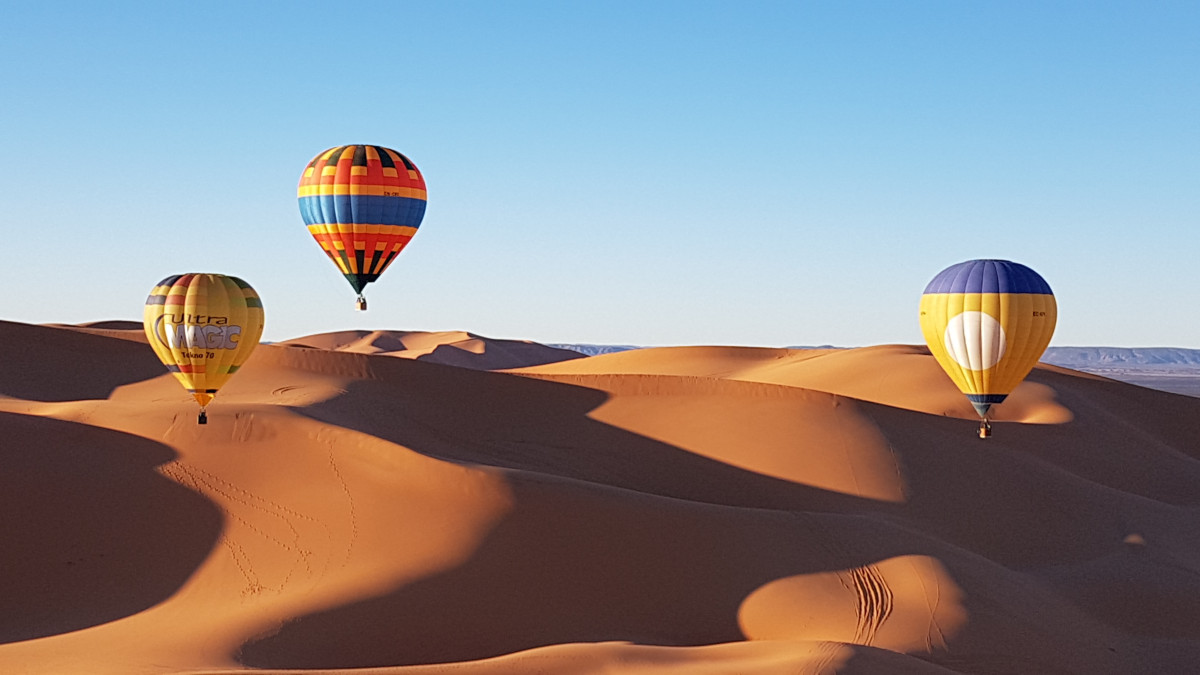
In today’s fast-paced digital world, the role of a photographer extends far beyond simply capturing still images. Photographers today are integral to the realms of branding, storytelling, and even social media marketing. They help businesses convey their messages and evoke emotions, making photography an essential component of visual communication. According to the American Society of Media Photographers, nearly 65% of people are visual learners, highlighting the need for high-quality images to communicate effectively.
Understanding Photography’s Evolution
Photography has undergone significant transformations since its inception in the early 19th century. Initially viewed as a revolutionary tool for documentation, it has evolved into an art form that intersects with technology, marketing, and personal expression. In the age of social media, where platforms like Instagram, Pinterest, and TikTok thrive on visuals, photographers play a pivotal role in shaping public perception and engagement.
Modern photographers utilize advanced digital technology, including high-resolution cameras and editing software, to enhance their work. The rise of smartphone photography has democratized the art form, allowing anyone with a phone to capture and share moments instantly. However, professional photographers bring a level of expertise that elevates their work above casual snapshots, mastering techniques like composition, lighting, and post-production to create compelling imagery.
The Role of Photographers in Branding
Branding is fundamentally about creating a unique identity and making a memorable impact. Photographers contribute by crafting visual content that encapsulates a brand’s ethos. Whether it’s a fashion label needing striking runway shots or a tech startup requiring clean, professional headshots, photographers tailor their work to meet specific brand needs.
Effective photographers understand the importance of consistency in visual branding. They create a cohesive aesthetic that aligns with a brand’s message, be it through color schemes, lighting styles, or subject matter. Research indicates that consistent branding can increase revenue by up to 23%, emphasizing the crucial role of professional photography in building and maintaining a brand’s identity.
Capturing Storytelling Through Imagery
At the heart of every great photograph is a story waiting to be told. Photographers are, in many ways, visual storytellers, using their skills to convey narratives that resonate on a personal level with viewers. This narrative aspect is particularly crucial in marketing, where connecting with an audience can significantly boost engagement and conversion rates.
Photographers often collaborate with brands to create visual campaigns that tell a compelling story. This could involve photo shoots that capture the journey of a product, behind-the-scenes glimpses of a company, or emotional moments tied to customer experiences. The best photographers understand their audience and can adapt their storytelling techniques to meet varied expectations, which is crucial for effective communication.
The Impact of Social Media on Photography
Social media has fundamentally changed how photography is consumed and appreciated. Platforms like Instagram have turned photographers into influential figures with millions of followers. This new visibility comes with its own challenges as photographers must now understand the algorithms, trends, and audience preferences that drive engagement.
Social media also requires photographers to be versatile. The demand for different types of content—such as lifestyle images, product photography, and event photography—means that a successful photographer must wear multiple hats. By diversifying their portfolios and adapting to trends, they can maximize their reach and impact online. From a developer’s perspective, many users believe that hiring a professional photographer can significantly enhance a brand’s visual identity, ensuring that the images resonate with the target audience while maintaining high standards of quality and creativity.
Challenges Facing Modern Photographers
Despite the opportunities presented by digital platforms, modern photographers also face a myriad of challenges. The market is saturated, making it difficult for newcomers to break through. Additionally, the rise of user-generated content has led to increased competition, as brands often turn to influencers or everyday users for authentic imagery.
Another challenge is the ever-changing technology landscape. Photographers need to stay updated with the latest tools and software to remain competitive. This includes mastering new camera equipment, learning advanced editing techniques, and understanding how to optimize images for various online platforms.
The Business of Photography
Being a photographer today requires more than just artistic skill; it demands business acumen. Many photographers operate as freelancers or small business owners, meaning they must manage marketing, client relationships, and financial aspects of their work.
Establishing a strong online presence is essential for attracting clients. A well-curated portfolio website can showcase a photographer’s best work and provide potential clients with easy access to their services. Additionally, effective networking—both online and offline—can lead to referrals and collaborations that enhance a photographer’s visibility.
The Future of Photography
As technology continues to evolve, so too will the field of photography. The integration of artificial intelligence and machine learning is already making waves, with applications that help in photo editing, organization, and even creative direction. Photographers who embrace these advancements will likely find new avenues for creativity and efficiency.
In addition, emerging trends such as virtual reality (VR) and augmented reality (AR) present exciting possibilities for photographers. These technologies can create immersive experiences that go beyond traditional photography, allowing audiences to engage with images in entirely new ways.
Conclusion
Photography is much more than just a profession; it is a powerful medium for expression and communication in our visually driven society. As the landscape of photography continues to evolve, so does the opportunity for photographers to impact the world around them. By mastering their craft and staying attuned to industry trends, photographers can ensure their work remains relevant, engaging, and vital for brands and consumers alike. Whether capturing stunning landscapes or candid moments, the art of photography will undoubtedly continue to capture hearts and minds in the years to come.