

In today’s digital world, Extract text from image has become an essential technique for students, professionals, and businesses. Many documents are no longer shared in plain text formats. Instead, they come as screenshots, scanned pages, or photos taken from mobile phones.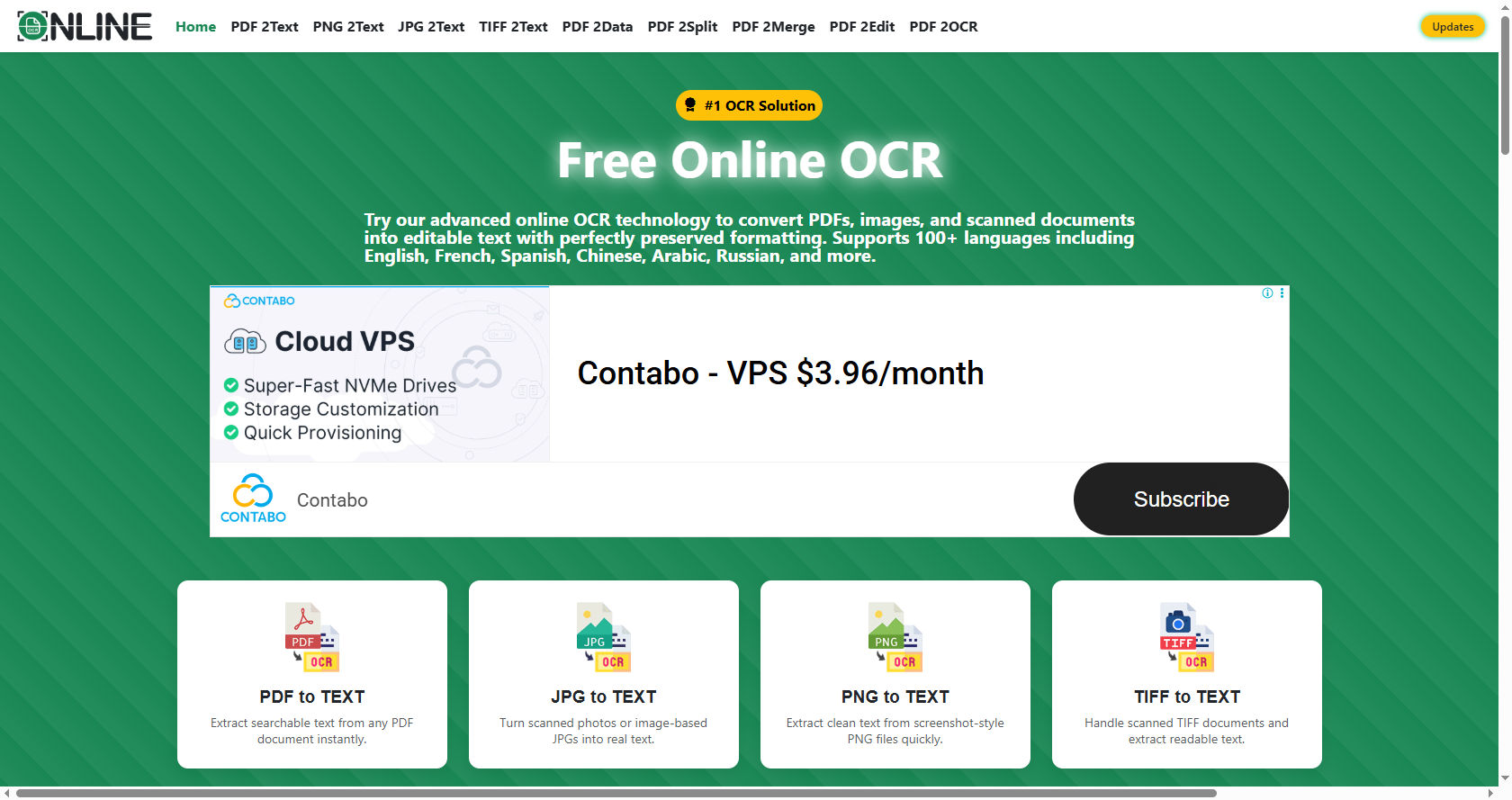
This is where Extract text from image becomes extremely useful because it helps convert visual content into editable and searchable text.When you Extract text from image, you save time, reduce manual typing, and improve accuracy in handling data.
Imagine receiving a printed page and needing to type everything word by word. That would take hours. But with modern tools, Extract text from image allows you to complete this task in seconds.
Another important reason to Extract text from image is convenience. Students can easily convert handwritten notes into digital format. Office workers can turn scanned invoices into editable spreadsheets. Even researchers can quickly gather data from old books by using Extract text from image technology.
In simple terms, Extract text from image is not just a technical feature; it is a productivity tool that changes how we interact with information. This guide will explain everything in detail, including how it works, why it matters, its benefits, and where it is used in real life.
Understanding Picture Text Extraction
Picture text extraction is the process of converting text inside images into digital text. When you Extract text from image, software scans the image, recognizes the letters, and converts them into editable characters.
This process is often powered by Optical Character Recognition (OCR). OCR technology allows systems to “read” printed or handwritten text. Without OCR, it would be impossible to Extract text from image accurately.
For example, if you take a photo of a book page, OCR analyzes shapes and patterns in the image. Then it matches those shapes with known letters. This is how tools Extract text from image and turn it into usable content.
The idea may sound simple, but it involves advanced algorithms. That is why modern tools are now very fast and reliable when they Extract text from image.
Why Picture Text Extraction Is Important
There are many reasons why people need to Extract text from image in daily life. One of the biggest reasons is efficiency. Manual typing takes a lot of time, while automation makes everything faster.
Another reason to Extract text from image is accuracy. Humans can make typing mistakes, especially when dealing with long documents. OCR tools reduce this risk by directly converting visual text into digital format.
Businesses also rely on the ability to Extract text from image because they handle large amounts of paperwork. From receipts to contracts, everything can be processed quickly.
Students benefit too. Instead of rewriting notes, they can simply Extract text from image and save time for studying.
In short, the importance of Extract text from image lies in speed, accuracy, and convenience.
How Picture Text Extraction Works
To understand how systems Extract text from image, we need to break the process into simple steps.
First, the image is scanned or uploaded into the system. Then, the software enhances the image quality. This step helps remove noise or blur so that the system can better Extract text from image.
Next, the OCR engine identifies patterns in the image. It looks for lines, curves, and shapes that resemble letters. After identifying these patterns, it begins to Extract text from image by converting them into digital characters.
Finally, the output is generated in editable format such as Word or plain text. This is the final result after the system successfully managed to Extract text from image.
The entire process happens in seconds, even for large documents.
Key Benefits of Picture Text Extraction
Time Saving
One of the biggest advantages when you Extract text from image is time saving. Instead of typing everything manually, you can get results instantly.
Students, office workers, and researchers all benefit from this. The ability to Extract text from image reduces workload significantly.
Improved Accuracy
Manual typing often leads to errors. But when you Extract text from image, the system ensures higher accuracy.
OCR tools are designed to recognize text carefully. This makes Extract text from image a reliable solution for important documents.
Easy Editing
Once you Extract text from image, you can edit the content easily. You can change words, correct mistakes, or format the text as needed.
This flexibility is one of the main reasons people prefer to Extract text from image instead of retyping everything.
Better Organization
Digital text is easier to organize. After you Extract text from image, you can store files, search content, and manage documents efficiently.
This helps reduce paper clutter and improves productivity.
Accessibility
Another important benefit is accessibility. When you Extract text from image, content becomes readable for screen readers and assistive tools.
This is especially helpful for visually impaired users who rely on digital formats.
Real-Life Use Cases
Education
Students frequently Extract text from image to convert handwritten notes into digital files. This helps them revise faster and stay organized.
Teachers also Extract text from image to create digital study materials from printed books or worksheets.
Business and Office Work
In offices, employees often Extract text from image to process invoices, receipts, and contracts.
This reduces manual data entry and improves workflow efficiency.
Healthcare
Doctors and hospitals use tools to Extract text from image for patient reports and medical records.
This helps maintain accurate digital databases.
Legal Industry
Lawyers and legal professionals Extract text from image to digitize case files and old documents.
This makes research and reference much easier.
Archiving and Libraries
Libraries and archives Extract text from image to preserve old manuscripts and historical documents.
This helps protect information for future generations.
Challenges in Picture Text Extraction
Even though it is very useful, there are still challenges when you Extract text from image.
One common issue is poor image quality. If the image is blurry, it becomes difficult to Extract text from image accurately.
Handwritten text can also be challenging. Some handwriting styles are hard for systems to recognize, making it harder to Extract text from image correctly.
Different fonts and languages may also affect accuracy. Not all tools can equally Extract text from image across all writing styles.
Finally, background noise in images can interfere with recognition. This may reduce the quality when trying to Extract text from image.
Best Practices for Better Results
To improve accuracy when you Extract text from image, there are some best practices you should follow.
First, always use clear and high-quality images. Good lighting helps systems better Extract text from image.
Second, avoid tilted or cropped images. Straight images make it easier to Extract text from image correctly.
Third, choose reliable OCR tools. Good software will help you Extract text from image with higher accuracy.
Fourth, clean up images before uploading. Removing shadows and noise improves the ability to Extract text from image.
Finally, always review the output. Even when you Extract text from image, small errors can still happen.
Future of Picture Text Extraction
The future of technology that allows you to Extract text from image is very promising.
With artificial intelligence improving every year, systems are becoming more accurate. Soon, tools will be able to Extract text from image even from very low-quality images.
Multilingual support is also improving. Future tools will easily Extract text from image in many languages without errors.
Real-time extraction is another development. You may soon be able to point your camera and instantly Extract text from image without taking a picture.
Integration with mobile apps and cloud systems will make it easier than ever to Extract text from image anywhere, anytime.
Why Students Should Use Picture Text Extraction
Students benefit greatly when they Extract text from image. Instead of rewriting long notes, they can save time and focus on learning.
It also helps in exam preparation. By using tools to Extract text from image, students can quickly gather information from multiple sources.
Group projects also become easier because team members can share digitized notes after they Extract text from image.
Overall, it improves study efficiency and reduces stress.
Why Businesses Depend on It
Businesses handle large volumes of documents daily. They rely heavily on tools that Extract text from image to reduce manual work.
Automation helps companies save money and time. Instead of hiring staff for data entry, they can simply Extract text from image using software.
It also improves data accuracy, which is essential for financial and legal work.
This is why modern companies invest in systems that Extract text from image efficiently.
Conclusion
In conclusion, the ability to Extract text from image has transformed how we handle information in the digital age. It saves time, improves accuracy, and makes documents easier to manage.
From students to businesses, everyone benefits when they Extract text from image. It reduces manual effort and increases productivity in almost every field.
Although there are some challenges, technology continues to improve. Soon, it will be even easier to Extract text from image with higher accuracy and speed.
As digital transformation grows, the importance of being able to Extract text from image will only increase. It is no longer just a convenience—it is a necessity in modern life.
Whether you are studying, working, or managing data, learning how to effectively Extract text from image can significantly improve your efficiency and workflow.